New Report: 2026 Dirty Dozen & Clean Fifteen
 JAMES COLQUHOUN
Check out this year's Dirty Dozen and Clean Fifteen released by the EWG
Every year, the Environmental Working Group (EWG) analyzes the most recent USDA data to compile its Dirty Dozen and Clean Fifteen lists. They’re lists we await with great anticipation, and we know our community does too. It’s really interesting to see how the standards around food safety and chemical exposure change from year to year.
The lists aren’t meant to be a what’s hot and what’s not of the fruit and vegetables. Rather, they should be a guide of the foods you should definitely be striving to buy organic, and those it may be okay to let slide from time-to-time.
The Dirty Dozen consists of fruits and vegetables that tend to have the highest levels of pesticide residues when conventionally grown. So to err on the side of caution, we definitely recommend you buy organic, or at least spray-free, when picking these up at your local grower this year.
- Spinach
- Kale, collard, and mustard greens
- Strawberries
- Grapes
- Nectarines
- Peaches
- Cherries
- Apples
- Blackberries
- Pears
- Potatoes
- Blueberries
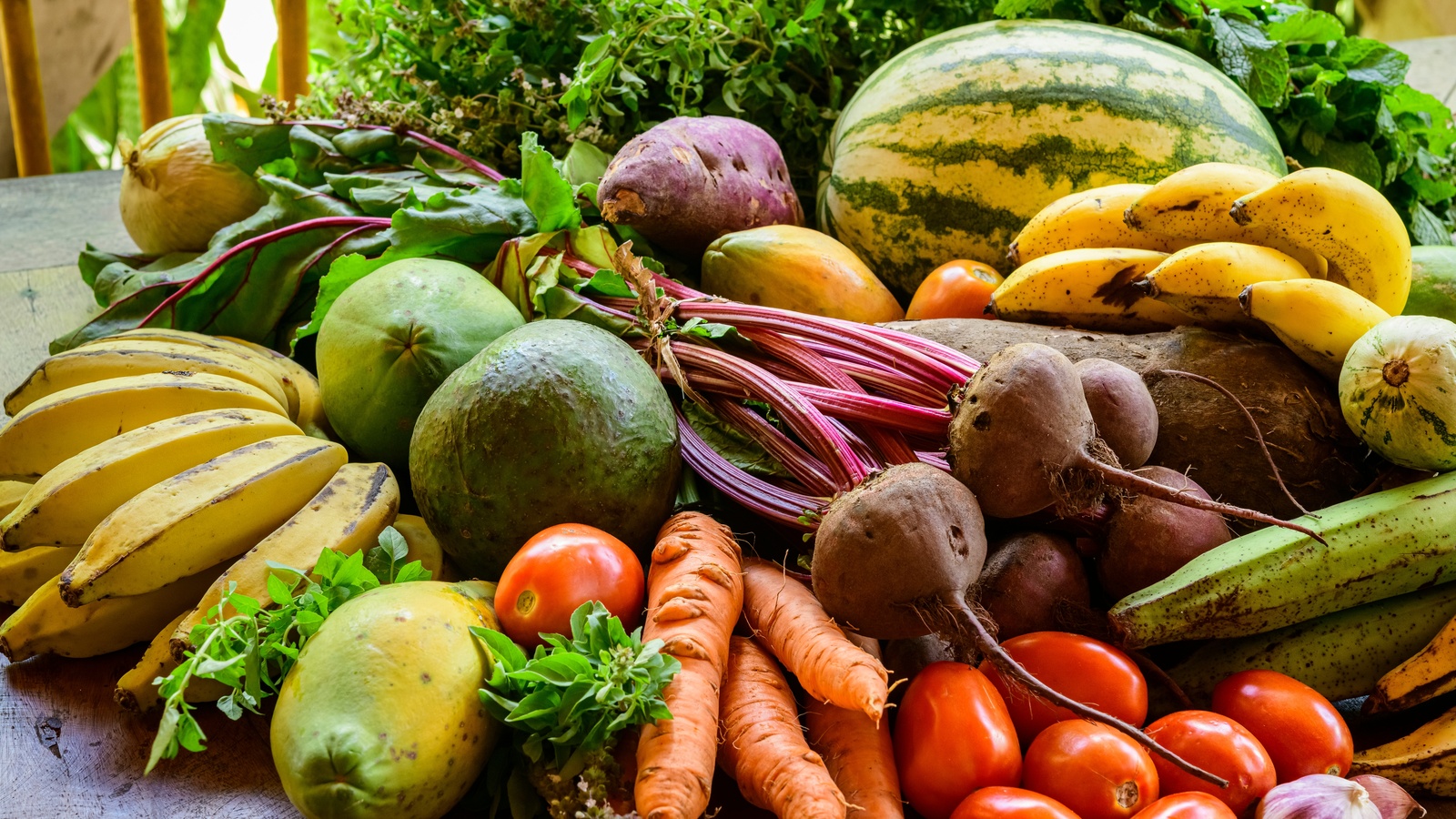
The Clean Fifteen comprises fruits and vegetables that tend to have the lowest levels of pesticide residues when conventionally grown. For these items, buying organic is considered less crucial because they have lower pesticide residue levels than the Dirty Dozen. One thing you’ll notice is that most of these safe foods tend to have a tougher exterior or skin that is removed when prepared for eating. You could even see this as a suit of armor that protects the foods from the outside world so you can enjoy them in all their deliciousness.
- Pineapple
- Sweet corn (fresh and frozen)
- Avocados
- Papaya
- Onions
- Sweet peas (frozen)
- Asparagus
- Cabbage
- Cauliflower
- Watermelon
- Mangoes
- Bananas
- Carrots
- Mushrooms
- Kiwi

James Colquhoun is the filmmaker behind Food Matters, Hungry For Change, and Transcendence Seasons 1 & 2 and founder of Food Matters and FMTV. Along with Laurentine ten Bosch, James founded the Food Matters community following the release of the 2008 documentary, giving people the tools (films, books, articles, and guided programs) to take charge of their own health. From here, FMTV was born! It was designed as a place where you can access vital information by watching all of your favorite inspiring documentaries, expert interviews, & recipe videos in one place, and in early 2020 FMTV found it's new home on Gaia.